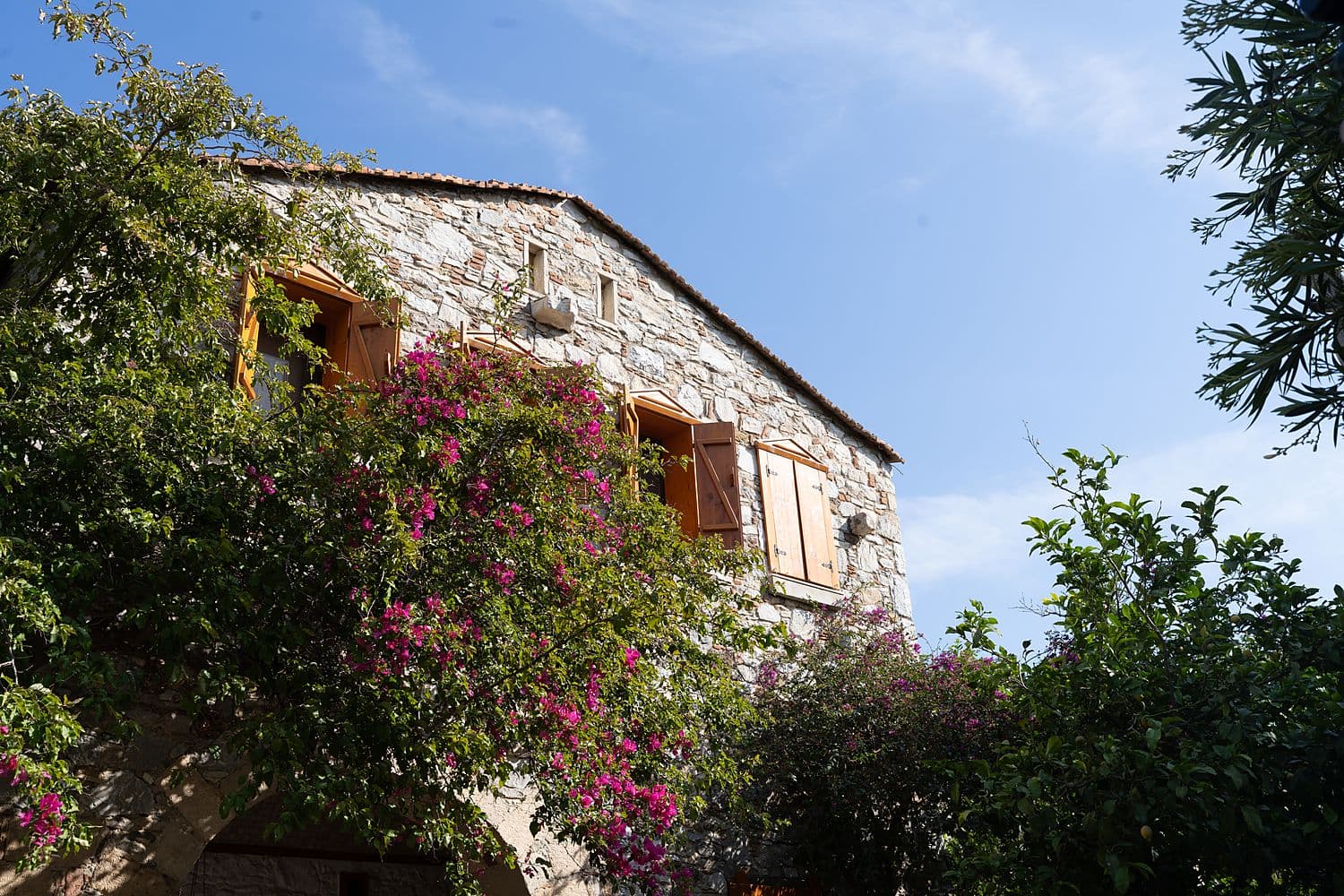
Eski Datça
A living heritage on the Datça Peninsula — where wind, sea and stone meet.
Pause for a moment, watch Eski Datça
A short journey across the peninsula — from stone arches and bougainvillea courtyards to ancient Knidos and almond groves.
Not a village, but a rhythm of living
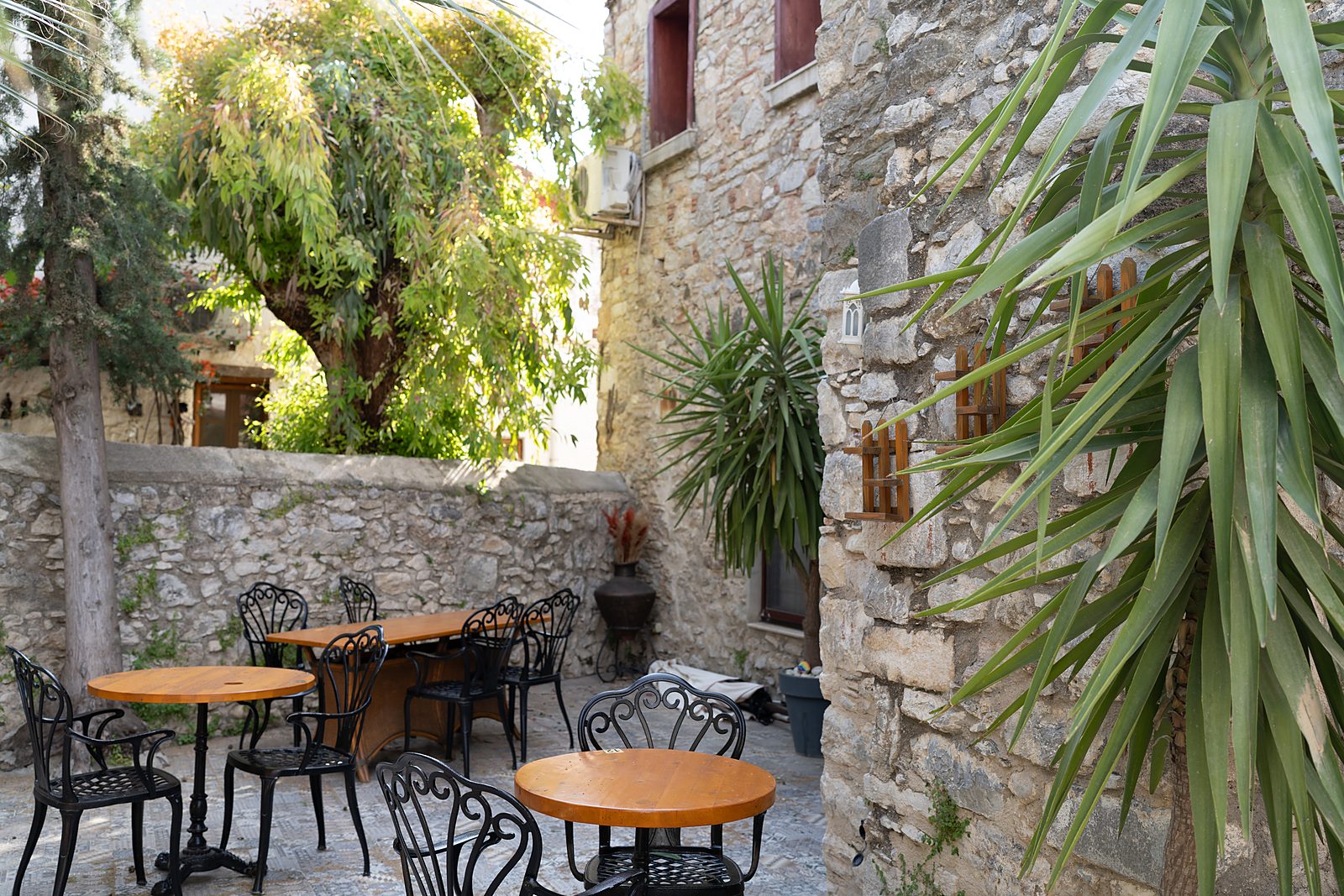
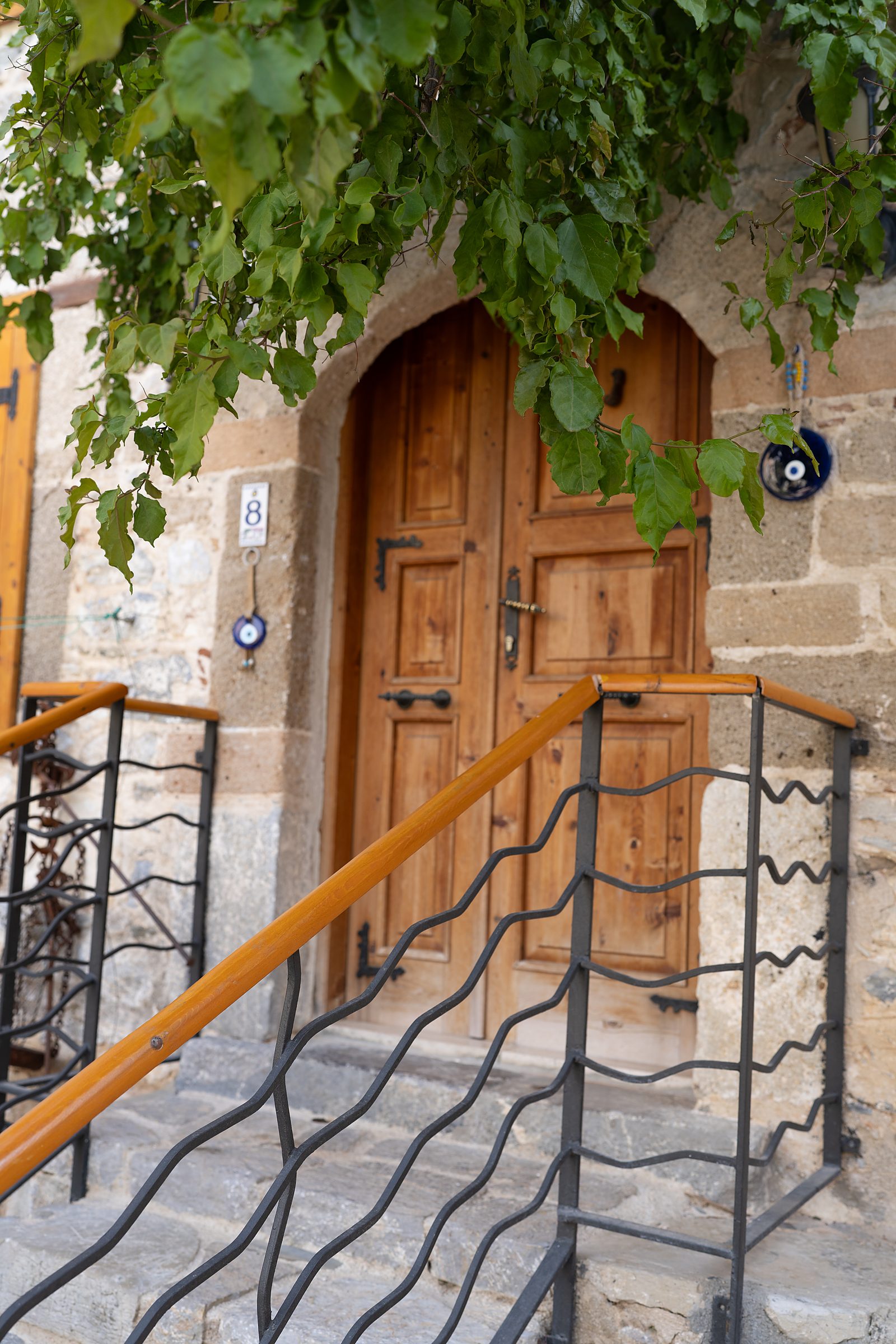
We come to Datça to escape the speed of the modern world; Eski Datça feels like a timeless stone doorway opening into a captivating past. Through its narrow, bougainvillea-draped lanes we meet a preserved culture of slow living shaped by centuries-old stone architecture. Protected as an urban, archaeological and natural conservation site, the village is the cultural heart of the wider Datça Peninsula.
- 1,397
- Village population
- 20.97 km²
- Village territory
- 82 kinds
- Almond varieties (15 local)
- 52 coves
- Peninsula shores
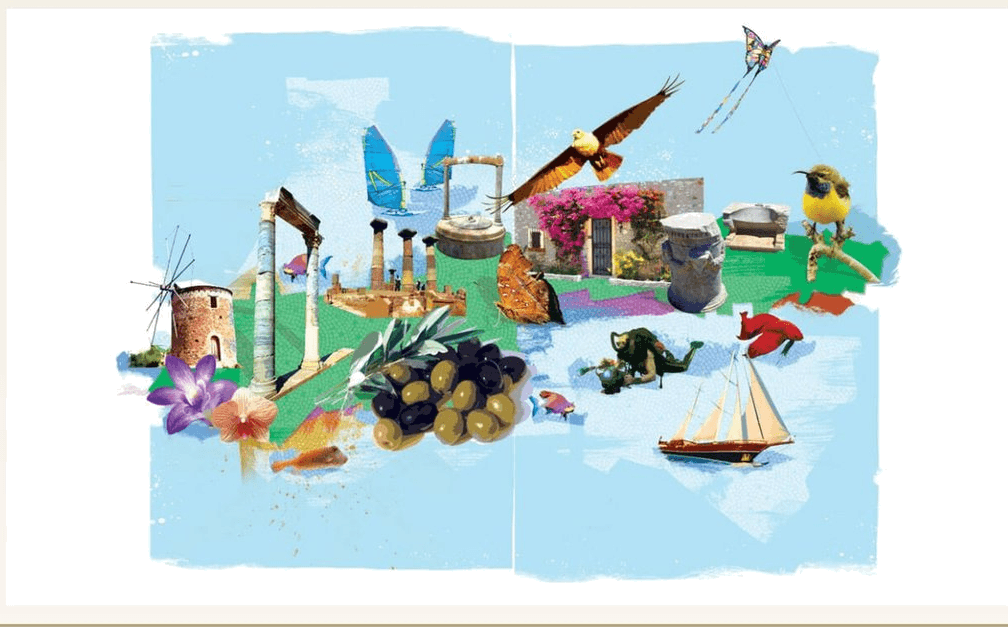
Where wind, sea and stone keep their scale
This is a village of love, tolerance and peace.
Worth seeing
From stone lanes to ancient Knidos, from almond groves to quiet coves.
Cultural & Natural Heritage
Stretching from ancient Caria to today, Eski Datça is protected under urban, archaeological and natural site status. The peninsula holds Special Environmental Protection Area status, guarding exceptional ecological wealth.
Tangible Cultural Heritage
Monuments, buildings, ancient settlements
- Knidos Ancient City
- Burgaz Archaeological Site, proposed as Palaia Knidos
- Emecik Apollo Sanctuary
- Traditional stone houses (vernacular architecture)
- Historic Greek houses and the Hızırşah Taxiarchon Church (Culture House)
- Old Datça Mosque and village chapel
- Ruins of Tepe Castle, cisterns and terracotta water system
- Deveboynu (Knidos) Lighthouse (1931)
- Ancient agricultural terraces (cultural landscape)
Intangible Heritage
Living traditions and craft
- The literary legacy of poet Can Yücel and his festivities
- Courtyard-based culture and arts gatherings
- Traditional Aegean cuisine: garaville, kıtırak bread, geranium ice cream
- Ceramic production and small-scale craft culture
- Imece — collective labour in olive and almond harvest
- Slow living and the courtyard hospitality tradition
- Open-studio and village-based creative production
- Datça Almond Blossom Festival
- Living sericulture and weaving, Çalçaput weaving
- Knidos's ancient school of medicine and the astronomy of Eudoxus
- The cultural legacy of Praxiteles' Aphrodite of Knidos
Natural Heritage
Special Environmental Protection Area
- Datça-Bozburun Special Environmental Protection Area (1990, ~1,474 km²)
- Marine protected areas and Karya Yolu routes
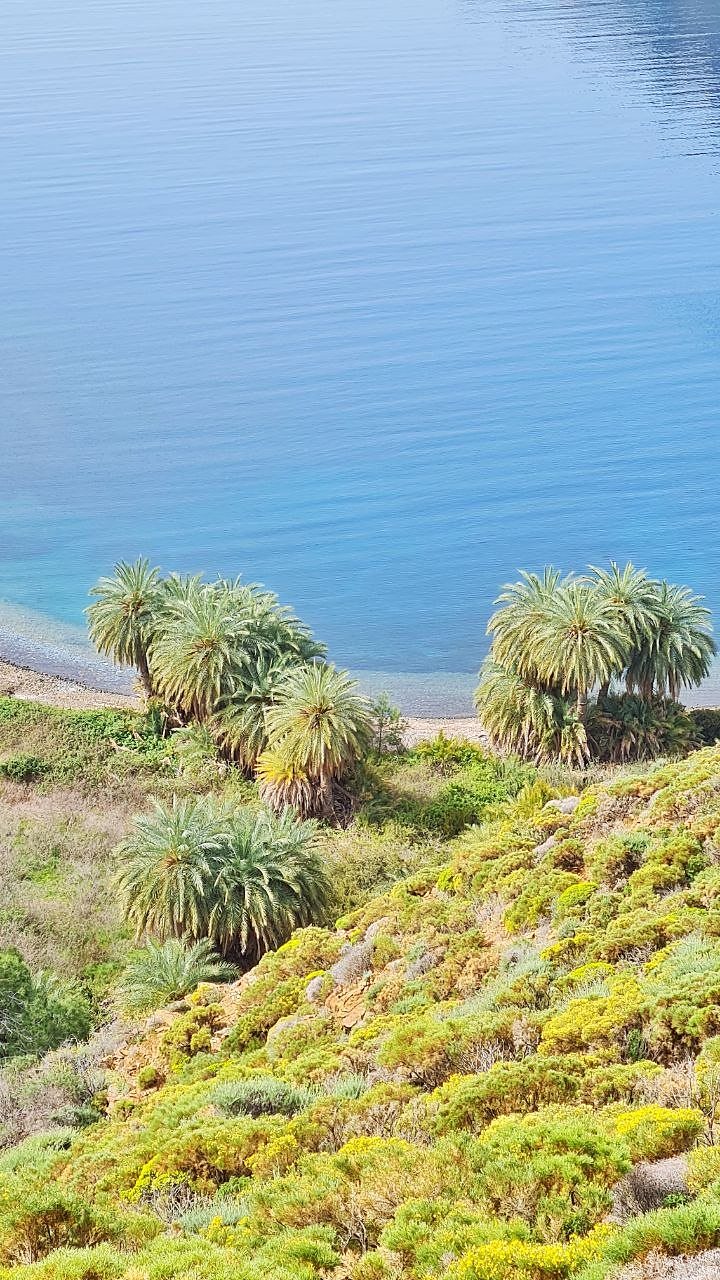
- Datça date palm (Phoenix theophrasti) — endemic relict palm (IUCN-NT, Bern Convention)
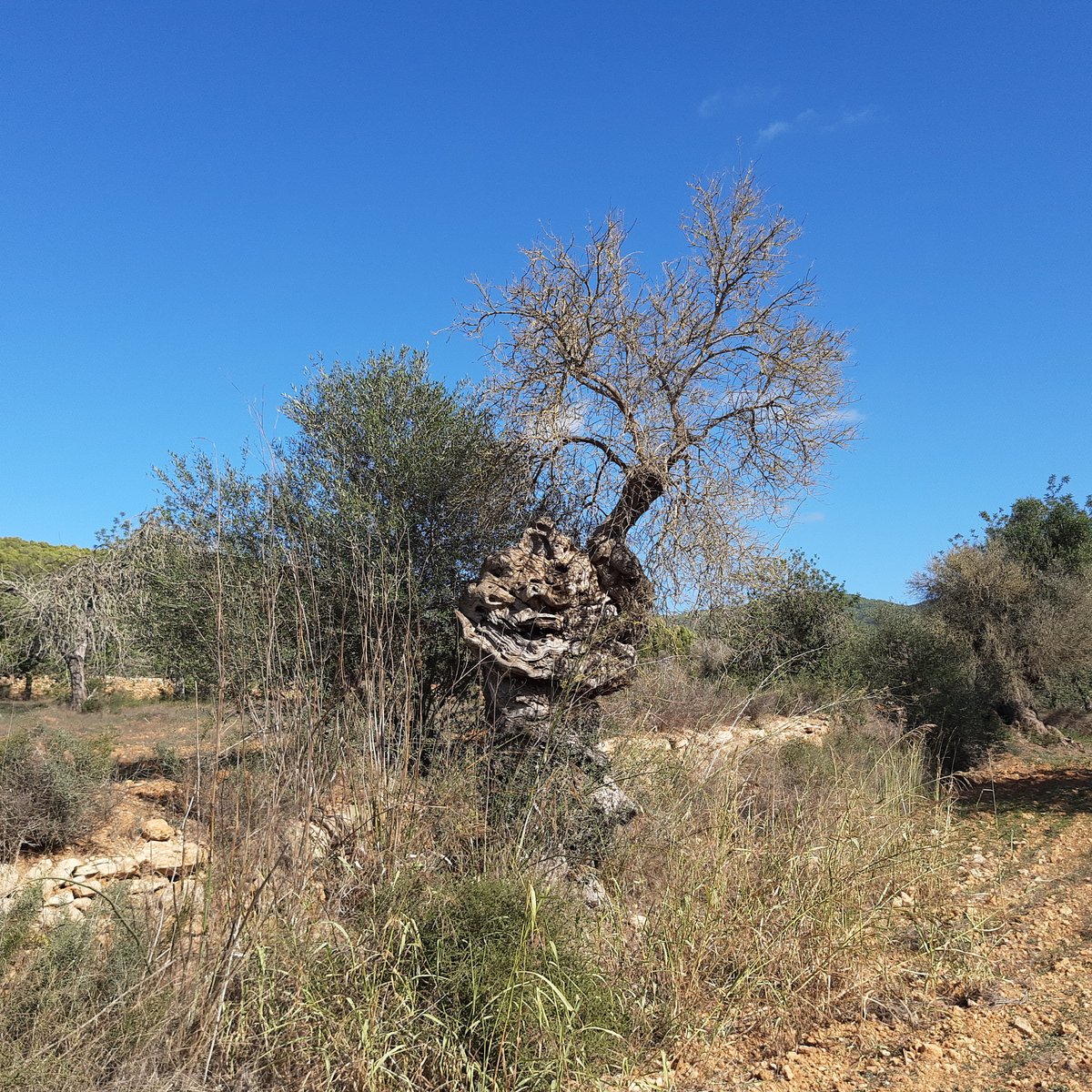
- Centuries-old monumental olive, valonia oak and carob trees
- The meeting shores of the Mediterranean and the Aegean
- 4 Blue Flag beaches and Ilıca wetland
- Gebekum sensitive coastal dune ecosystem
- 82 almond varieties (15 exclusively local; chiefly Nurlu, Ak, Sıra); Datça Nurlu Almond (GI, 2021, No. 1504)
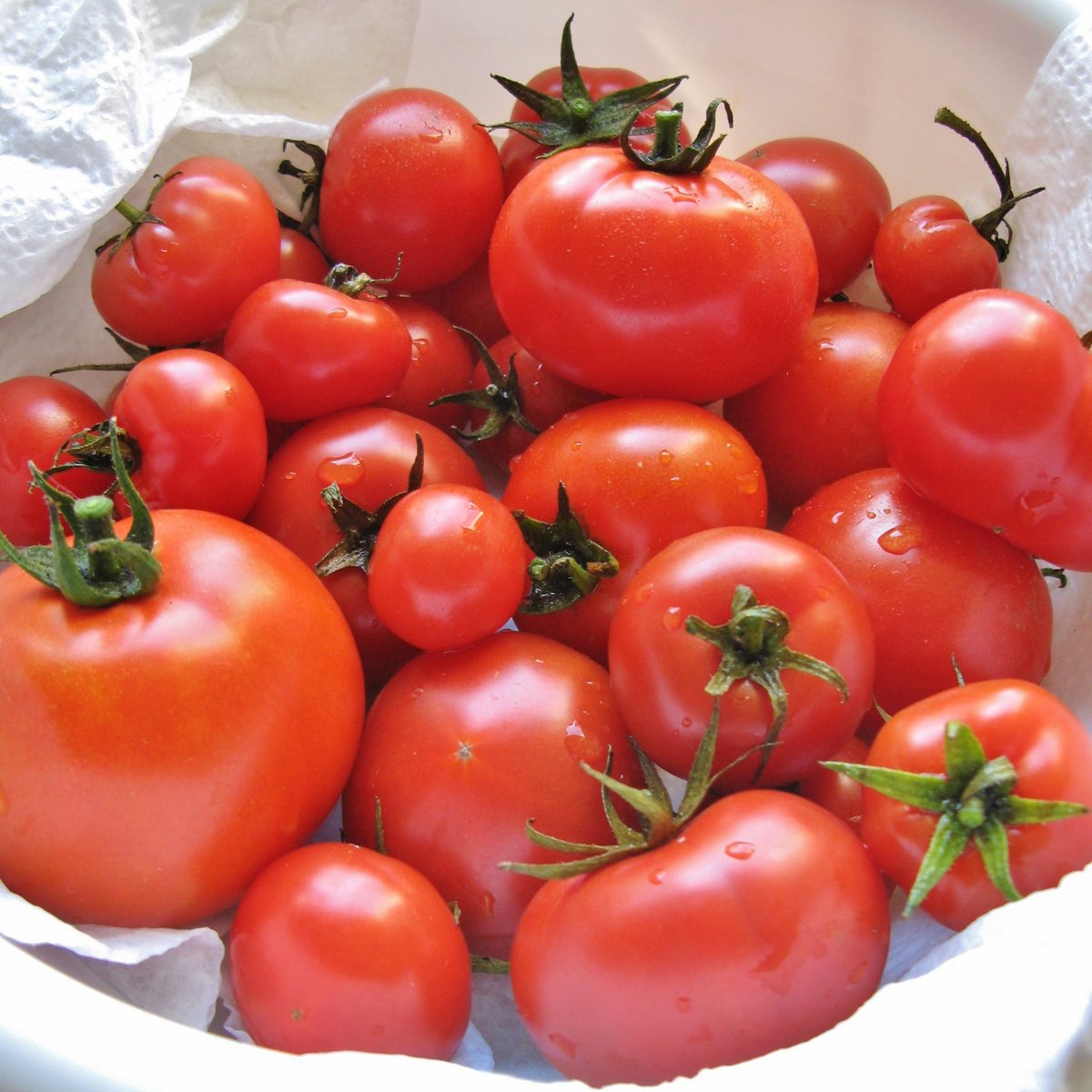
- Datça Tomato (Designation of Origin, 2024, No. 1571)
- 52 coves and the endangered Mediterranean monk seal habitat
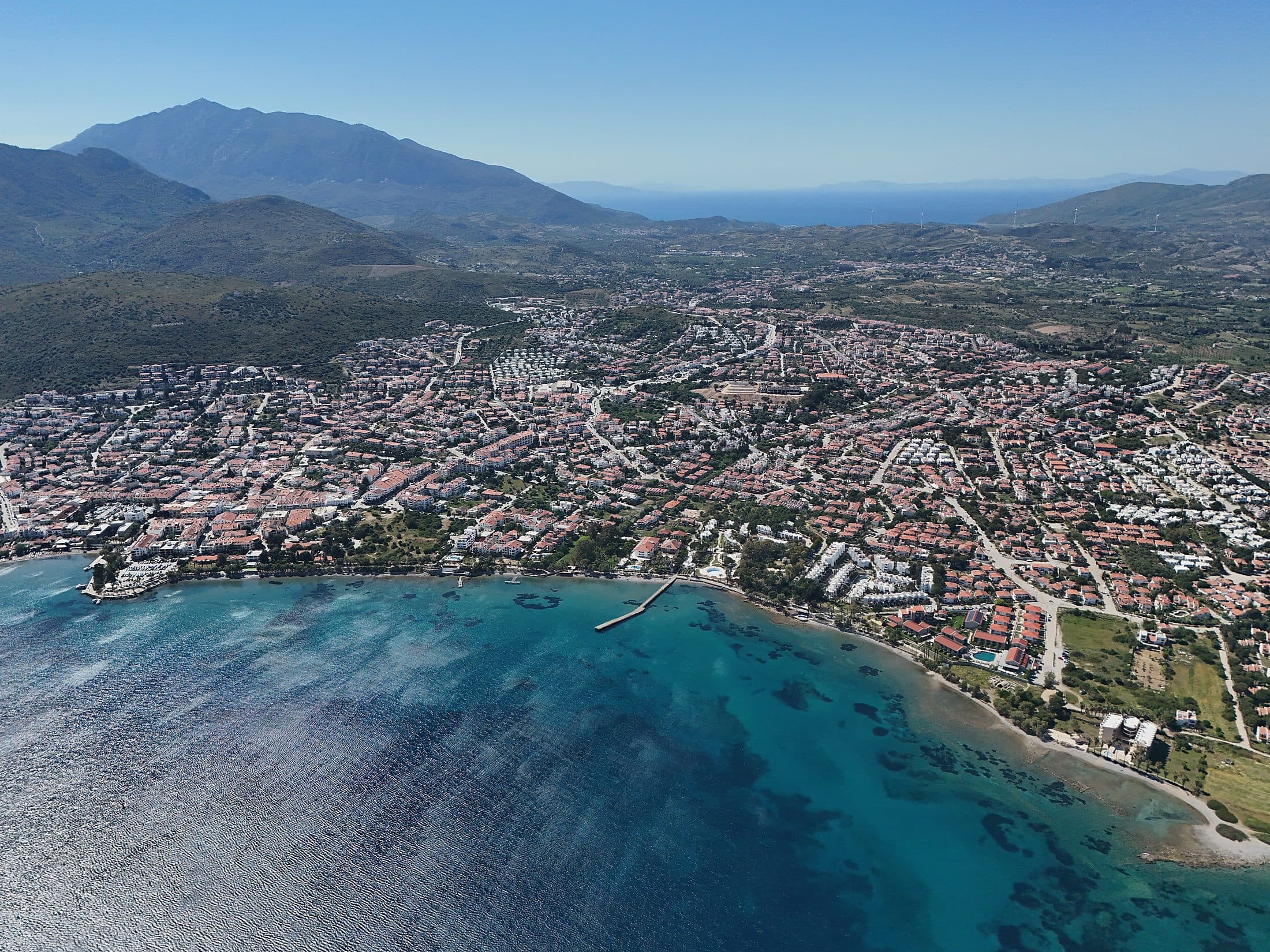
Between two seas, the ancient stone still keeps its own scale.
The Carian Trail
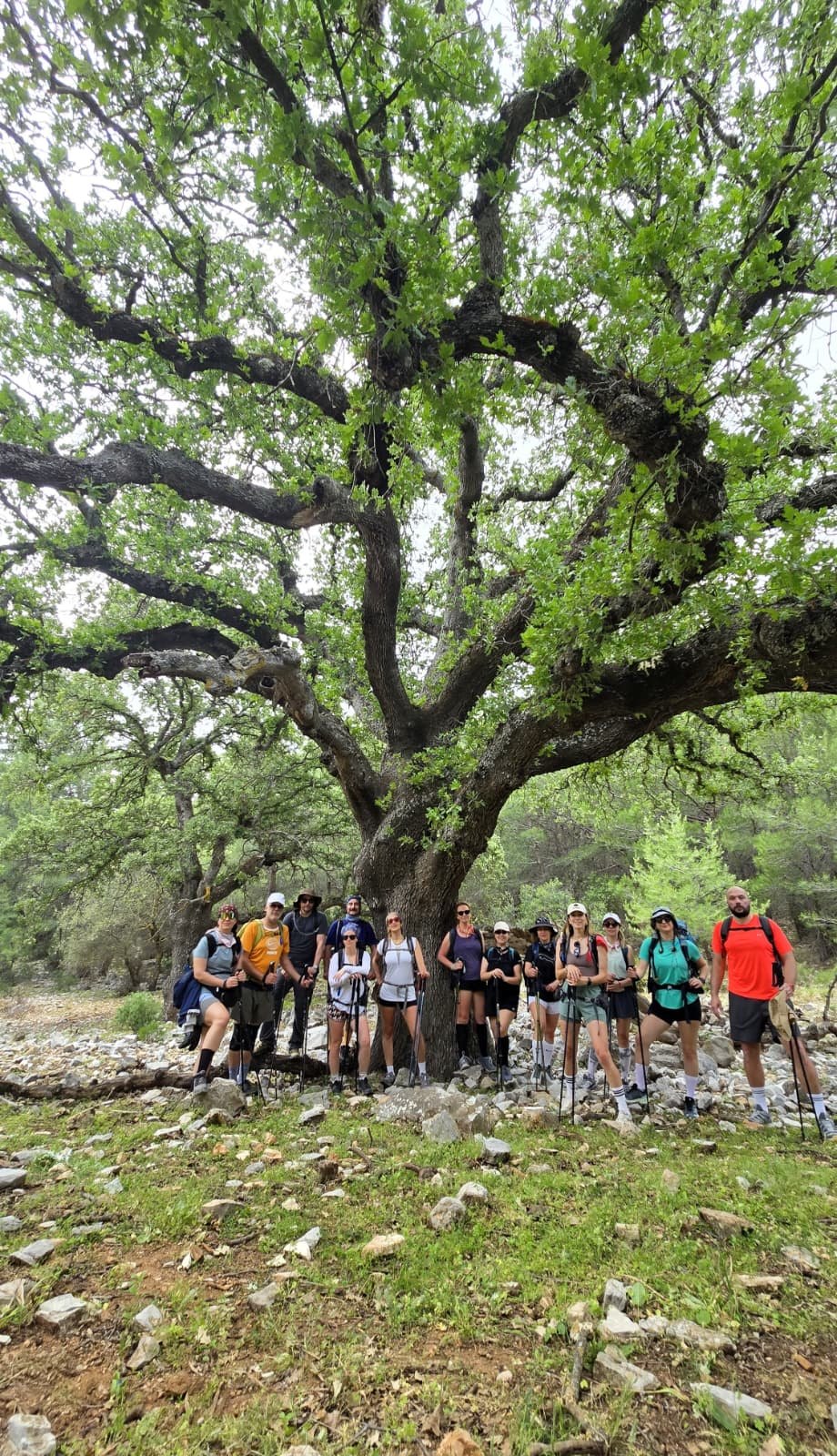
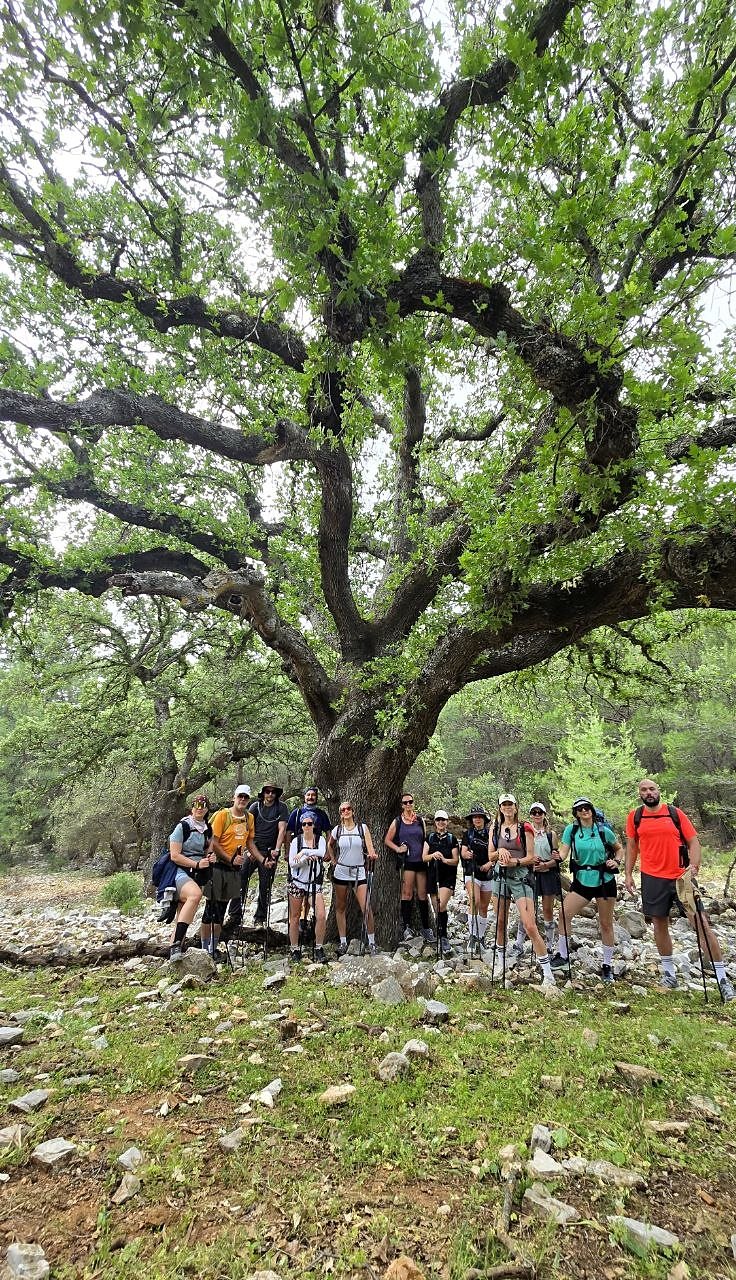
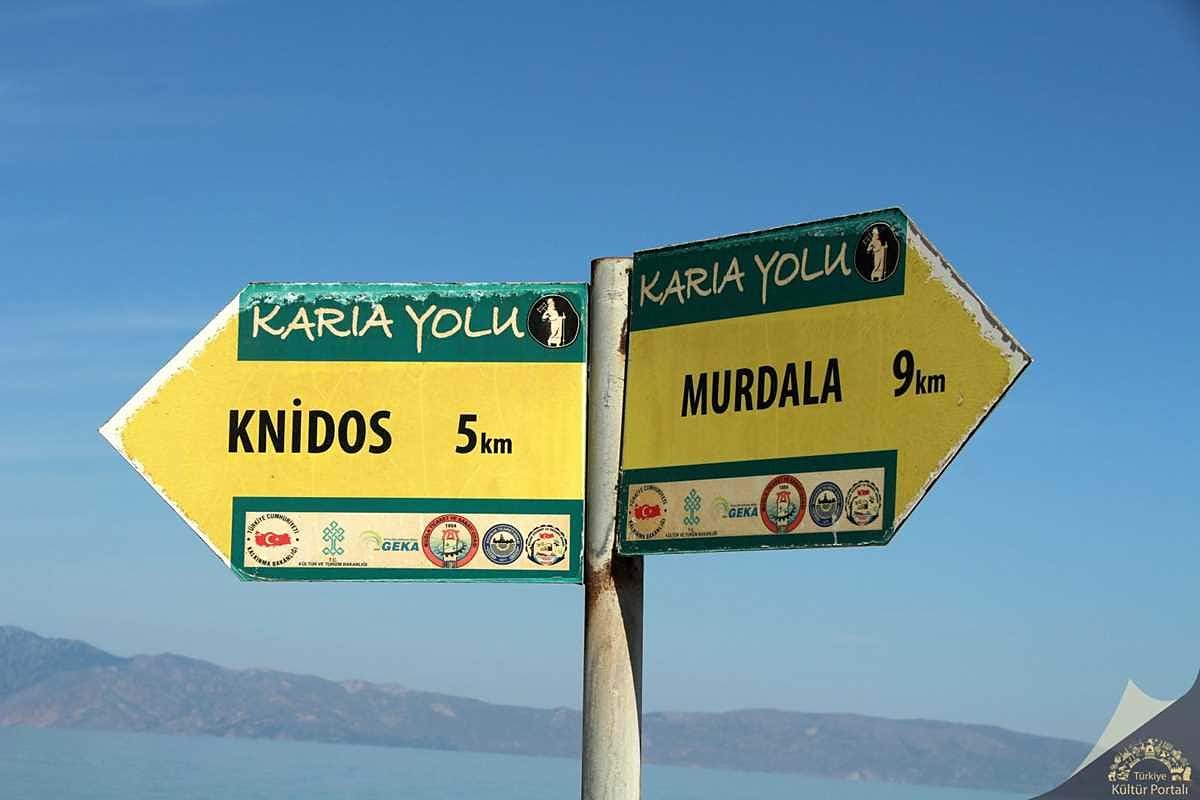
Following the geography of ancient Caria, the Carian Trail (Karia Yolu) is a long-distance hiking route crossing the Datça–Bozburun peninsula. Yellow-waymarked paths starting around Eski Datça link the Knidos hinterland, Burgaz, monumental trees, endemic flora and Blue Flag coves — a low-impact, nature-aligned eco-cultural corridor.
- Yellow-waymarked paths starting from Eski Datça
- Linking the Knidos hinterland, Burgaz and quiet coves
- Monumental trees, the endemic Datça date palm and peninsula flora
Almond, olive and Aegean herbs
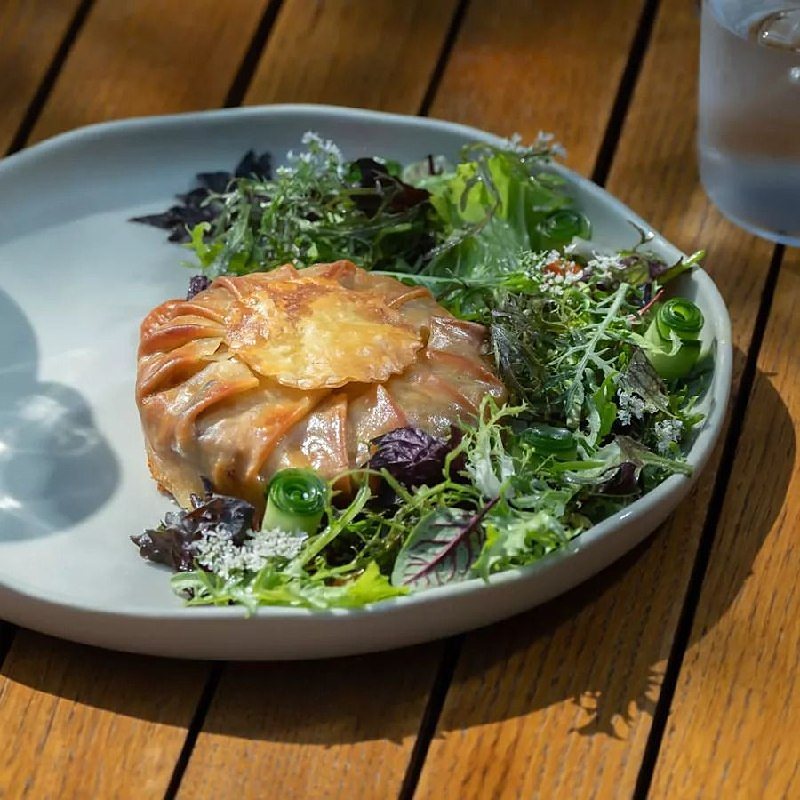
The Eski Datça table comes from a heritage of dry farming. Geographically Indicated Datça almond (82 varieties, 15 exclusively local), the Datça tomato, cold-pressed oil from century-old groves and Aegean herbs; signature tastes such as garaville, kıtırak bread and almond coffee travel from garden to table.


People Who Left a Mark
From the poet Can Yücel to the astronomer of ancient Knidos, from stonemasons to ceramic artisans — an archive of those who left their mark on Old Datça. If you have a memory or a photograph, you can contribute too.
Explore the archive →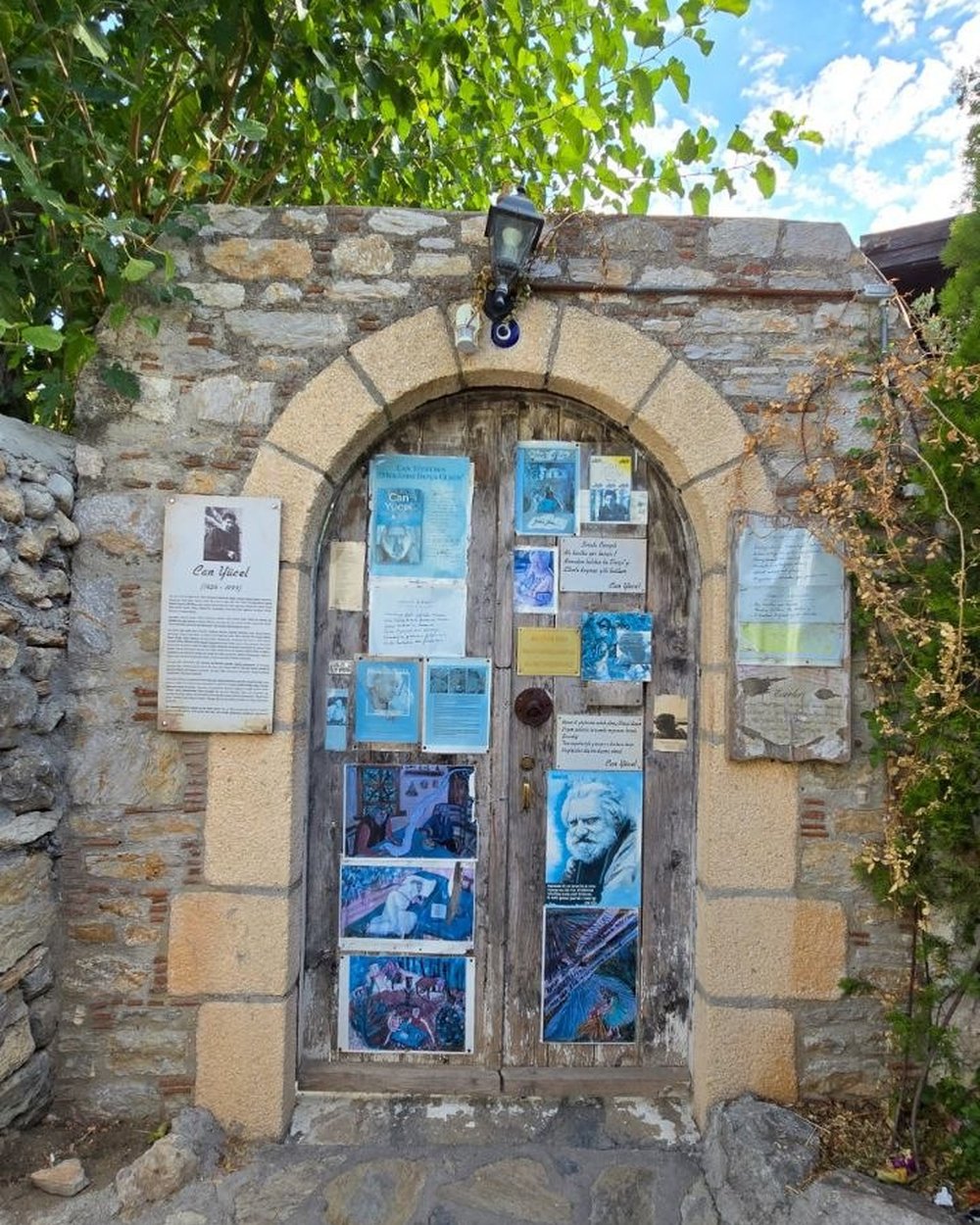
Slow and sustainable
Eski Datça chooses quality over crowds. It embraces slow tourism to protect natural and cultural heritage, strengthen the local economy, and pass it on to the future in the same beauty.
Preserving stone houses and the street fabric
Priority to local producers and artisans
Respecting the carrying capacity of coves and nature
Prioritized Sustainable Development Goals


Moods of the village
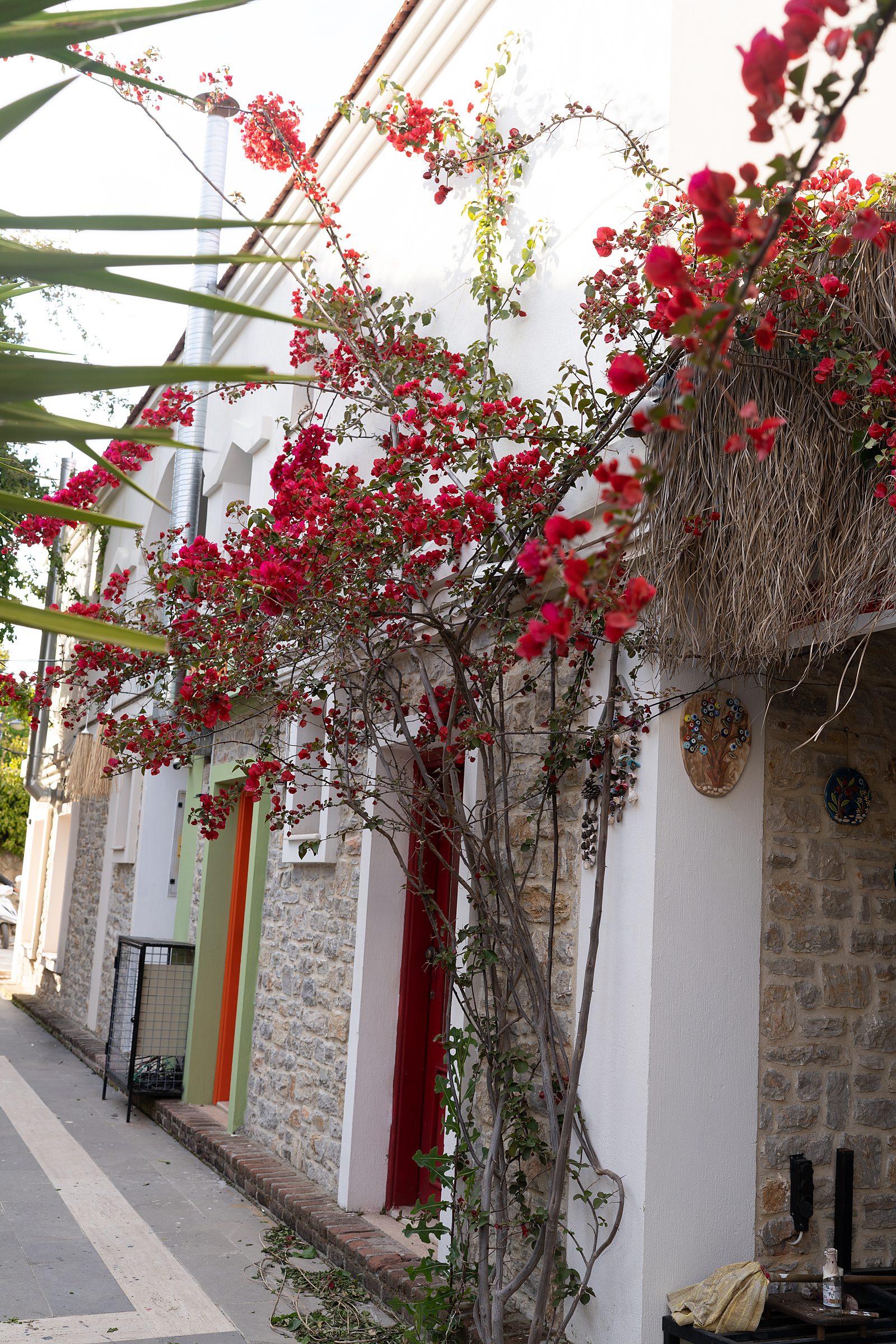
Stone lanes, bougainvillea and courtyards — frames from Eski Datça.

Best Tourism Villages 2026 Candidate
Eski Datça has been put forward as one of Türkiye's official candidates for UN Tourism's prestigious "Best Tourism Villages" programme. This portal is the digital showcase of the village's cultural, economic and environmental sustainability.
About the candidacyDatça Almond Blossom Festival
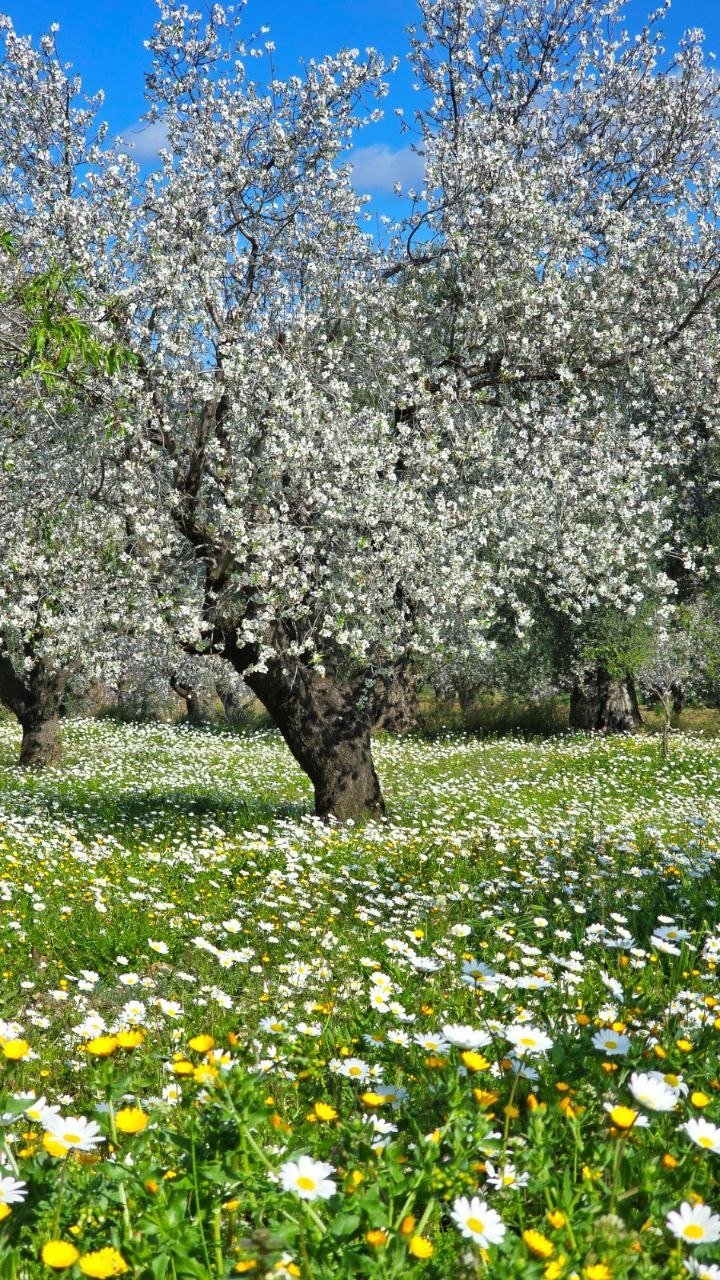
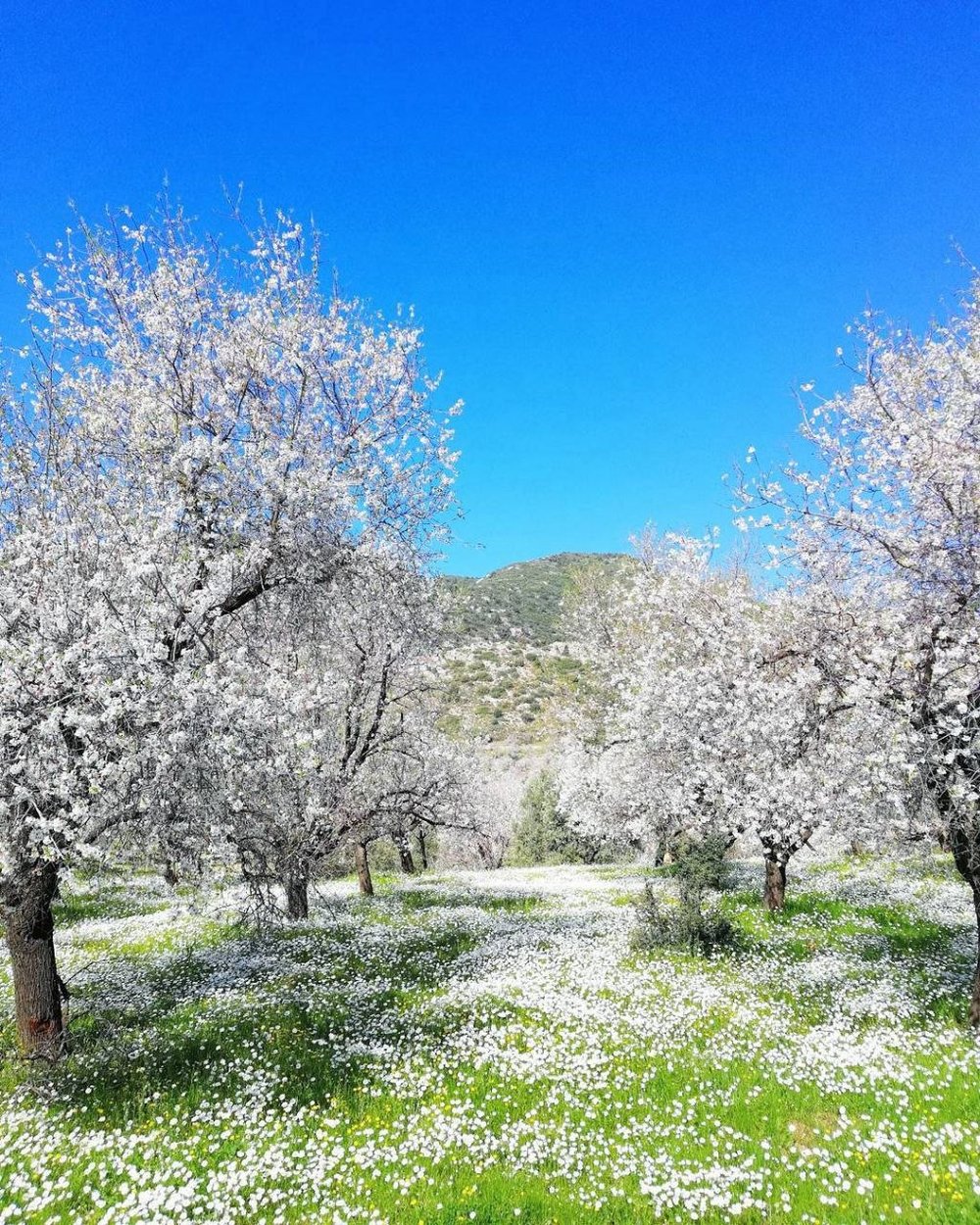
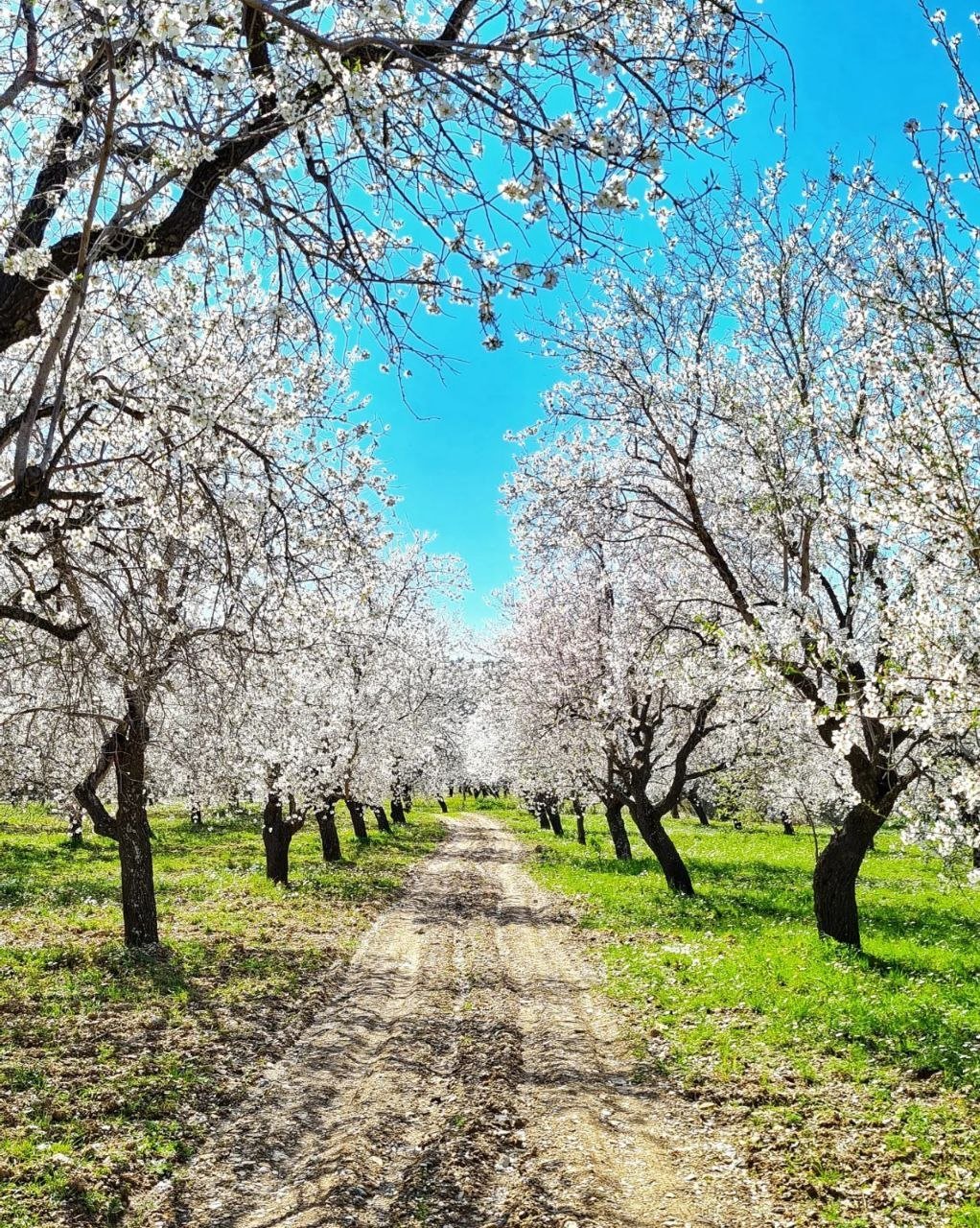
Every February · The traditional festival heralding spring, when the orchards turn white. Blossom walks, a local market, music and workshops make it the village's liveliest season.
Your personal itinerary, ready now
Ask "I have one day, what should I do?" and the Datça Guide AI in the bottom-right corner will craft a route tailored to Eski Datça in an instant.